

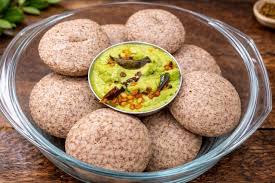
Ragi Idli (also called Finger Millet Idli or Nachni Idli) is a healthy, nutritious twist on the classic South Indian steamed idli. It replaces or partially replaces rice with ragi (finger millet), a nutrient-dense millet widely grown in India, especially in Karnataka, Andhra Pradesh, and Tamil Nadu. It has a slightly earthy, nutty flavor, soft texture when prepared well, and pairs perfectly with coconut chutney, tomato chutney, or sambar.
Quick Overview of Ragi Idli
Traditional idli uses rice + urad dal (black gram). In ragi idli:
- You can use whole ragi grains (soaked and ground) or ragi flour for quicker versions.
- Common ratios: 1–1.5 cups ragi (whole or flour) + ½ cup urad dal + optional idli rice or poha (flattened rice) for softness.
- The batter is fermented (like regular idli), which improves digestibility and adds probiotic benefits.
Simple Instant Ragi Idli Recipe (no overnight soaking needed):
- Mix ragi flour, rava (semolina), curd/yogurt, grated veggies (optional: carrot, spinach), and seasonings.
- Add Eno fruit salt for instant rise.
- Steam for 10–15 minutes.
For the traditional fermented version: Soak urad dal + methi (fenugreek) seeds, grind with ragi, ferment 8–12 hours, then steam.
One medium ragi idli is roughly 60–80 kcal (lower or similar to rice idli depending on the recipe), making it light yet filling.
Nutritional Highlights of Ragi (per 100g ragi flour/millet, approximate values)
- Calories: 320–360 kcal
- Carbs: 67–75g (complex carbs with low glycemic index)
- Protein: 7–9g
- Dietary Fiber: 3.6–11g (high, varies by source)
- Calcium: 340–360 mg (exceptionally high — one of the best plant sources)
- Iron: 3.5–4.6 mg
- Other: Magnesium, potassium, phosphorus, antioxidants, and essential amino acids. It is naturally gluten-free.
Key Advantages and Health Benefits of Ragi Idli
Ragi idli combines the lightness of steamed idli with ragi’s superior nutrition, making it better than regular rice idli in many ways:
- Better Blood Sugar Control (Diabetic-Friendly) Ragi has a low glycemic index and high fiber, which slows starch digestion and prevents blood sugar spikes. It inhibits enzymes like alpha-glucosidase, helping manage diabetes better than white rice-based idli.
- Supports Bone Health Extremely rich in calcium and magnesium — great for strengthening bones, especially for growing kids, women (post-menopause), and older adults. Regular consumption helps prevent osteoporosis.
- Aids Weight Management High fiber keeps you full longer, reduces overall calorie intake, and is low in fat. It’s often recommended for weight watchers as a satisfying, low-calorie breakfast or dinner option compared to rice idli.
- Improves Digestion and Gut Health The high fiber promotes regular bowel movements, prevents constipation, and acts as a prebiotic. Fermentation adds probiotic benefits, supporting gut flora and immunity.
- Boosts Iron Levels (Fights Anemia) Good plant-based source of iron, useful for vegetarians/vegans, pregnant women, and anyone prone to anemia. Pairing with vitamin C-rich chutney/sambar enhances absorption.
- Heart-Friendly Contains healthy unsaturated fats, fiber, and antioxidants that may help lower cholesterol and support cardiovascular health.
- Nutrient-Dense & Gluten-Free Provides more minerals (calcium, iron, magnesium) than regular rice idli while being naturally gluten-free and suitable for most diets. It’s also a good source of protein for muscle repair.
- Additional Perks
- Sustained energy without crashes.
- May support skin health (thanks to antioxidants and vitamin E traces).
- Easy to customize: Add grated vegetables, spinach, or herbs for extra nutrition.
Ragi Idli vs Regular Rice Idli
- Fiber & Minerals: Ragi version wins significantly (higher calcium, iron, fiber).
- Glycemic Impact: Lower in ragi idli → better for diabetes and weight control.
- Calories: Similar or slightly lower.
- Taste/Texture: Rice idli is softer and milder; ragi idli is denser and earthier but equally tasty when fermented well.
- Overall: Ragi idli is more nutrient-dense and often considered the healthier upgrade for daily consumption.
Tips for Best Results
- For softer idlis: Add a bit of poha or idli rice, or use sour curd in instant versions.
- Ferment properly for better taste and digestion.
- Serve hot with sambar (for extra protein/fiber) and chutney.
- Ideal for breakfast, evening snack, or light dinner.
Ragi idli is a simple, affordable way to make your regular idli more nutritious — especially popular in South India for its health benefits. If you’re in Hyderabad or anywhere in India, ragi flour is easily available in supermarkets or millet stores. Try it a few times a week and enjoy the benefits!
Would you like a detailed step-by-step recipe, variations (e.g., vegetable ragi idli), or calorie comparisons!