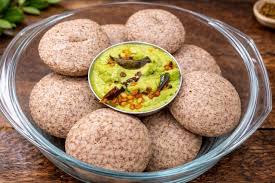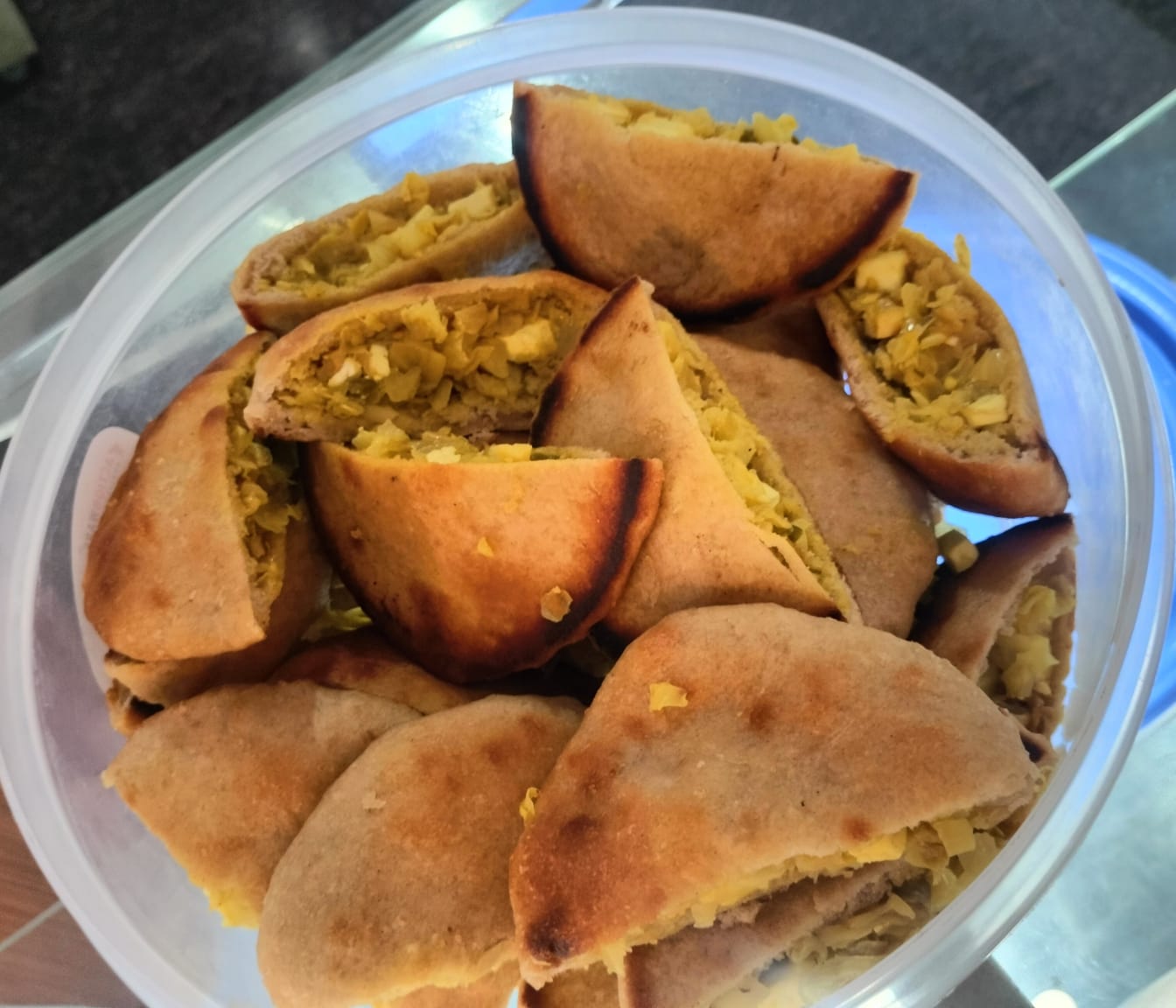

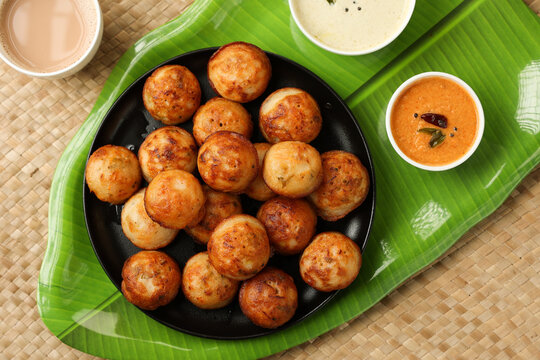
Gunta Ponganalu (also called Gunta Ponganalu or Gundponglu) is a popular South Indian savory snack/breakfast item from Andhra Pradesh and Telangana. It is essentially the Telugu version of Kuzhi Paniyaram (Tamil) or Paddu (Kannada).
What is Gunta Ponganalu?
It consists of small, round, dome-shaped dumplings made from a fermented batter of rice and urad dal (black gram), similar to idli/dosa batter. The batter is often mixed with chopped onions, green chilies, curry leaves, cumin, coriander, and sometimes vegetables or ginger. It is cooked in a special gunta ponganalu pan (appe pan or paniyaram pan) with round molds, using very little oil. This gives it a crispy golden exterior and soft, fluffy interior.
Key Advantages and Health Benefits
Gunta Ponganalu stands out as a healthier alternative to many fried snacks or even plain dosas because of its preparation and ingredients:
- Low in oil/fat: Cooked with just a few drops of oil (or ghee) per batch in a seasoned cast iron pan. Much lower calorie and fat content compared to dosa or deep-fried snacks.
- Fermented goodness: The rice + urad dal batter is fermented, which improves gut health (probiotics), enhances nutrient absorption (better bioavailability of iron, B vitamins), and makes it easier to digest. Great for all ages, including kids, elderly, and those with sensitive stomachs.
- Good protein & balanced carbs: Urad dal provides protein, while rice gives energy. One piece is roughly low-GI (around 53 in some recipes), supporting steady blood sugar levels — suitable for diabetes management in moderation.
- Nutrient boost with add-ins: Adding veggies (spinach, carrots), herbs, or millets (ragi, jowar) increases fiber, vitamins, antioxidants, and iron. Millet versions are especially popular for gluten-free and nutrient-dense meals.
- Kid-friendly & portable: Crispy outside + soft inside appeals to children. Easy to pack in lunchboxes. High satiety with low calories makes it a filling yet light snack.
- Versatile & economical: Uses leftover batter, customizable (spicy, veggie-loaded, or plain), and quick to prepare. Cast iron pans can even add trace iron to the food.
- Weight management friendly: Lower calories than dosa (no large flatbread + oil), similar benefits to idli but with a fun texture. Fermentation and minimal oil help with digestion and portion control.
- Tip: Use a well-seasoned cast iron pan for best taste and health benefits (natural non-stick + iron). For even healthier versions, try millet or multigrain batters.
It’s a delicious, nutritious, and traditional way to start your day or enjoy as an evening snack — especially popular in Coastal Andhra and Rayalaseema regions! If you’re in Hyderabad, you’ll find it easily in local eateries or can make it at home with simple ingredients.