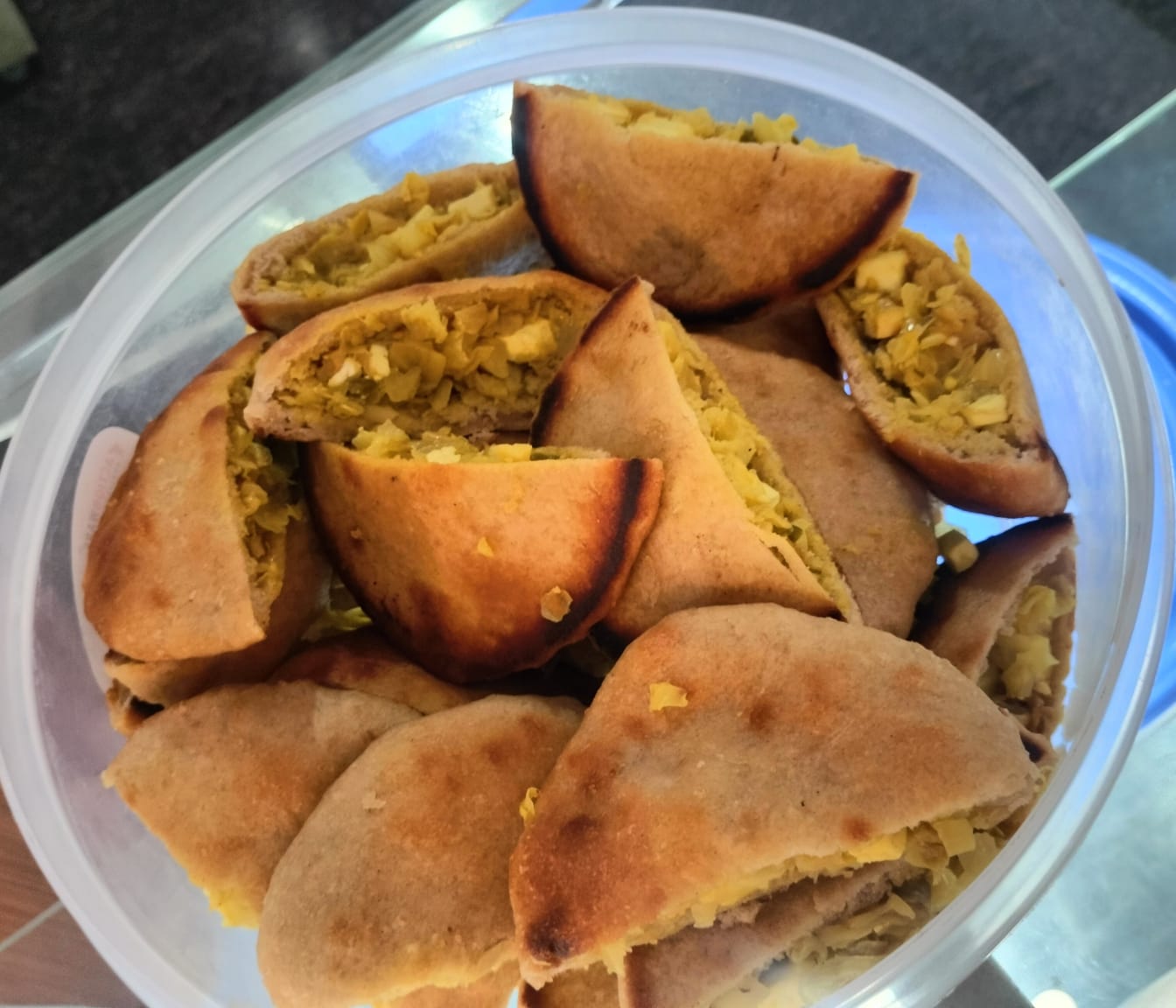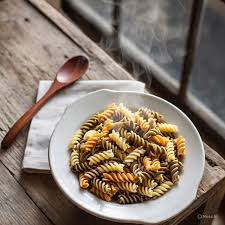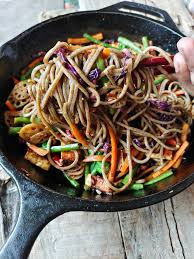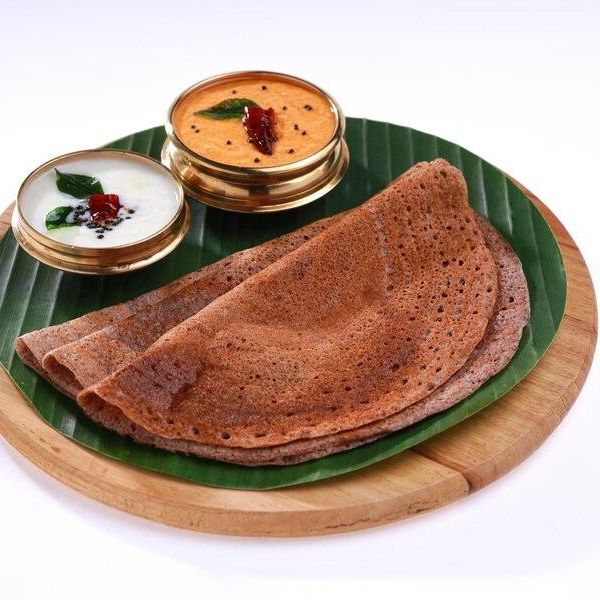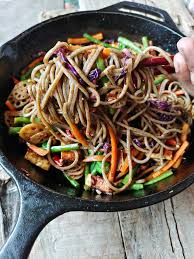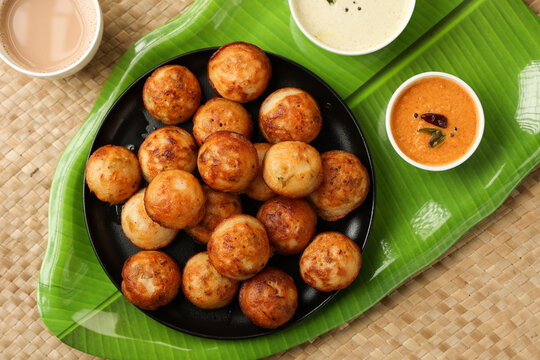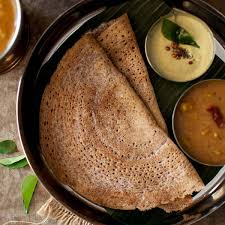

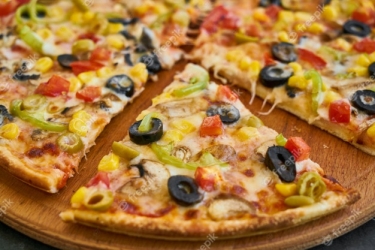
Millet pizza is a healthier twist on traditional pizza, where the crust (base) is made primarily or partially from millet flour instead of refined wheat (maida) or whole wheat flour. Common millets used include:
You can make it 100% millet-based for a fully gluten-free version or blend it with some wheat flour. It’s especially popular in India, with brands like Domino’s even launching options like “Ragi Super Crust.” The toppings remain similar—veggies, cheese, sauces—but the base delivers superior nutrition
Key Advantages of Millet Pizza
- Gluten-Free Option Most millets are naturally gluten-free, making millet pizza suitable for people with celiac disease, gluten intolerance, or those avoiding gluten. This reduces digestive discomfort for sensitive individuals while keeping the pizza enjoyable.
- Lower Glycemic Index (GI) for Better Blood Sugar Control Millets have a lower GI compared to refined wheat flour. This helps prevent sharp blood sugar spikes, making millet pizza a smarter choice for people managing diabetes or insulin resistance. Studies show millet-based baked goods improve nutritional profiles and support stable energy levels.
- Higher Fiber Content for Digestion and Satiety Millets are rich in both soluble and insoluble dietary fiber (often significantly more than regular pizza bases). This promotes better gut health by acting as a prebiotic, aids regular digestion, helps lower cholesterol by trapping fats, and keeps you feeling full longer—great for weight management.
- Rich in Nutrients and Antioxidants Millet crusts provide higher levels of:
- Protein
- Essential minerals (iron, calcium, magnesium, zinc, phosphorus)
- B vitamins (niacin, thiamine)
- Antioxidants (phenols, tannins, polyphenols) These support heart health, immunity, energy levels, bone strength, and protection against oxidative stress and inflammation. Pearl millet, for example, adds notable magnesium and fiber.
- Weight Management and Heart Health Support The combination of high fiber, protein, and low GI helps control appetite and calorie intake. Antioxidants and fiber also contribute to better cholesterol levels and reduced risk factors for heart disease. It’s a more nutrient-dense indulgence compared to standard pizza.
- Sustainable and Accessible Millets are hardy crops that grow in arid conditions with less water, making them environmentally friendly. In India, they’re affordable, locally grown “nutri-cereals,” and align with traditional diets while adding modern appeal (e.g., in pizzas, pastas, or cookies).
Nutrition Comparison (Approximate, per 100g crust/base)
- Refined wheat/maida pizza base: Higher carbs, lower fiber (~2g), higher GI (80+), fewer minerals.
- Millet-based pizza base: Higher fiber (often 6-13%+ depending on millet), better protein, richer minerals, lower-to-medium GI. Multi-millet blends can further boost overall nutrition without compromising much on taste when prepared well.
- How to Enjoy Millet Pizza
- Homemade: Mix millet flour (e.g., bajra or ragi) with yeast, water, salt, and a bit of oil. Knead, rest, roll into a base, add toppings, and bake. Some recipes blend millets with lentils for extra protein and crunch.
- Ready options: Available in some stores or from chains in select regions.
- Tips: Millet bases can be slightly denser or crumblier than wheat, so experiment with binders (like chia seeds or yogurt) for better texture. Load up on veggies and lean proteins for maximum benefits.
Overall, millet pizza transforms a sometimes “guilty” food into a nutritious, satisfying meal—perfect for health-conscious pizza lovers in places like Hyderabad, where healthy eating trends are strong. It’s not entirely calorie-free (cheese and toppings still count!), but it offers clear upgrades in nutrition and digestibility over regular versions. If you’re trying it for the first time, start with a 50:50 millet-wheat blend for familiarity.