
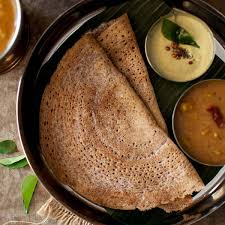
Ragi Dosa at Mitamins Health cafe at Vanasthalipuram

Ragi dosa (also known as finger millet dosa or nachni dosa) is a healthy, nutritious variation of the classic South Indian dosa. It’s made primarily from ragi flour (finger millet flour), often mixed with rice flour, semolina (rava), or other flours, and can be prepared as an instant version or fermented like traditional dosa.

Ragi gives the dosa a distinctive reddish-brown color, slightly earthy/nutty flavor, and a crisp texture when made right. It’s commonly served with coconut chutney, tomato chutney, sambar, or potato masala.

Here are some visual examples of how ragi dosa typically looks:

Key Advantages and Health Benefits of Ragi Dosa

Ragi (finger millet) is considered a superfood millet, especially in South India, and turning it into dosa makes it tasty and easy to include in daily meals. Here are the main advantages:

  1. Extremely High in Calcium — Ragi has one of the highest calcium contents among all cereals (often 5–30 times more than rice or wheat). This supports strong bones and teeth, helps prevent osteoporosis, and is especially good for growing children, women, and older adults.
  2. Rich Source of Iron — Helps combat anemia and fatigue, improves hemoglobin levels, and boosts energy — particularly beneficial for vegetarians/vegans who may lack iron from other sources.
  3. Good Amount of Protein — Provides plant-based protein comparable to (or higher than) rice in some varieties, supporting muscle health and overall growth.
  4. High Dietary Fiber — Aids digestion, prevents constipation, keeps you full longer, and supports healthy weight management by controlling hunger and cravings.
  5. Low Glycemic Index (GI) & Diabetes-Friendly — Ragi releases carbohydrates slowly, helping maintain stable blood sugar levels — a big advantage over regular rice-based dosa for people with diabetes or insulin resistance.
  6. Gluten-Free — Naturally gluten-free, making it safe and suitable for people with gluten intolerance or celiac disease.
  7. Rich in Antioxidants & Other Minerals — Contains polyphenols and other antioxidants that support immunity, reduce inflammation, and promote overall health. Also provides magnesium, phosphorus, and other micronutrients.
  8. Weight Loss Friendly — Low in calories, high in fiber and nutrients, and more satiating than regular dosa — many people use ragi dosa as part of weight-loss or healthy-eating plans.
  9. Versatile & Easy to Digest (Especially When Fermented) — Fermented versions add probiotic benefits for gut health, and the millet is generally easy on the stomach.

Compared to plain rice dosa, ragi dosa is nutritionally superior in minerals, fiber, and blood-sugar control while still being delicious and traditional.

If you’re in Hyderabad, ragi flour is easily available in local stores, supermarkets, or online — give instant ragi dosa a try for a quick, healthy breakfast! It’s a simple way to add more millets to your diet.
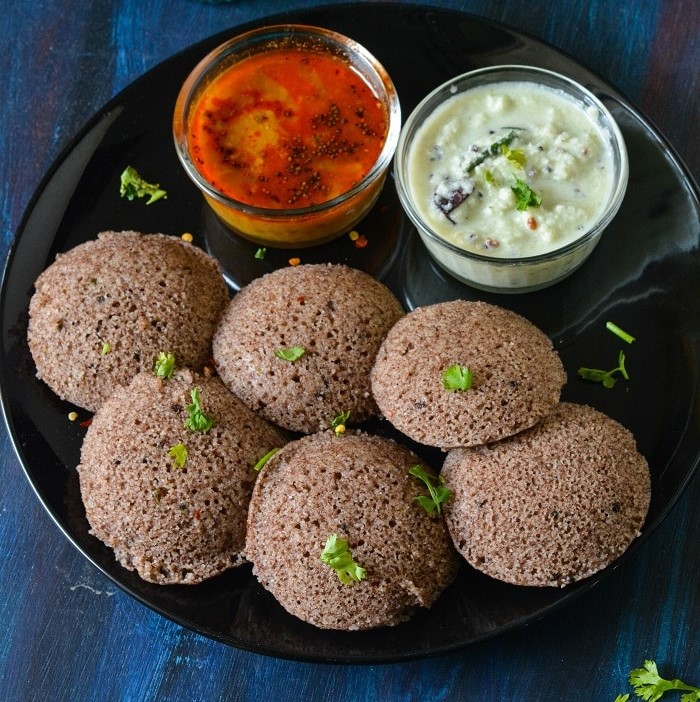
Ragi Idly at Mitamins Health Cafe at Vanasthalipuram

Ragi idli, also known as finger millet idli or nachni idli, is a nutritious and delicious twist on the classic South Indian steamed breakfast. These soft, fluffy, slightly earthy-flavored idlis get their beautiful reddish-brown hue from ragi (finger millet), one of the most nutrient-dense millets traditionally cherished in many Indian households, especially in South India.

Unlike regular rice-based idlis, ragi idlis bring a wholesome, hearty texture while remaining light on the stomach. Paired with coconut chutney, tomato chutney, or sambar, they make for a satisfying, comforting meal that feels both familiar and upgrade.

Here are the key advantages of including ragi idli in your regular diet:

  • Exceptional source of calcium — Ragi contains one of the highest amounts of calcium among all cereals (often 5–30 times more than rice or wheat), supporting strong bones and teeth. This makes ragi idli especially valuable for growing children, women, older adults, and anyone aiming to prevent osteoporosis.
  • Rich in iron — It helps combat anemia and boosts hemoglobin levels naturally, making it a great plant-based choice for vegetarians and those with iron deficiency.
  • High dietary fiber content — The fiber promotes healthy digestion, prevents constipation, keeps you full longer, and supports steady weight management by controlling hunger pangs.
  • Diabetes-friendly with a low glycemic index — Ragi releases glucose slowly into the bloodstream, helping maintain stable blood sugar levels — ideal for people with diabetes or those wanting to prevent insulin spikes.
  • Gluten-free and gentle on the gut — Perfect for gluten-sensitive individuals, and the natural fermentation in idli preparation adds probiotic benefits that support gut health and immunity.
  • Good protein and essential minerals — It provides decent protein (comparable to rice in quality), along with magnesium, phosphorus, and antioxidants that fight oxidative stress and support overall vitality.
  • Low in fat and calories — A wholesome, low-fat option that gives sustained energy without weighing you down, great for heart health and mindful eating.
  • How to Make agi Idli: A Wholesome & Fiber-Rich South Indian Breakfast | Easy & Delicious Ragi Idli:

Whether you’re looking for a healthier breakfast alternative, a diabetic-friendly meal, or simply a way to add more millets to your plate, ragi idli is one of the easiest and tastiest ways to do it. It’s nourishing, satisfying, and a small step toward better long-term health — soft, steamy, and packed with goodness in every bite!

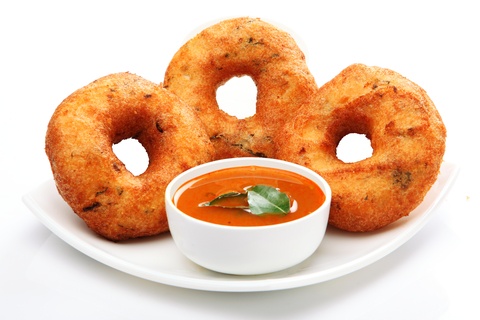
Vada at Mitamins Health Cafe at Vanasthalipuram

Millet vada is a delightful, crispy South Indian-inspired snack that brings together the best of tradition and modern nutrition. This golden, flavorful fritter reimagines the classic medu vada by replacing (or blending) rice and urad dal with nutrient-dense millets like ragi (finger millet), little millet, foxtail millet, barnyard millet, or a wholesome multi-millet mix. The result? A crunchy exterior giving way to a soft, spiced interior bursting with the earthy aroma of ginger, green chilies, curry leaves, onions, and cumin — all shallow-fried or air-fried to perfection.

What truly elevates millet vada is its smart upgrade over regular vada. While traditional versions are tasty, they rely heavily on refined grains and can be calorie-dense with a higher glycemic impact. Millet vada flips the script — it’s more filling, more nourishing, and far gentler on your system.

Here are the standout advantages of enjoying millet vada regularly:

  • Excellent blood sugar control — Millets have a naturally low glycemic index, so they release energy slowly and steadily. This helps prevent sharp spikes and crashes — a big win for people managing diabetes, insulin resistance, or simply wanting stable energy throughout the day.
  • Rich in dietary fiber — The high fiber content supports smooth digestion, prevents constipation, promotes gut health by feeding beneficial bacteria, and keeps you feeling full longer — making it a smart choice when you’re watching your weight or craving something satisfying without overeating.
  • Packed with essential nutrients — Millets deliver a powerhouse of plant-based protein, magnesium, iron, calcium, potassium, B vitamins (like niacin), and antioxidants (phenols, tannins, phytates). These support strong bones, healthy heart function, better muscle repair, and overall vitality — far more than plain rice- or dal-based vadas.
  • Heart-friendly — The fiber, magnesium, and potassium in millets help lower bad cholesterol (LDL), reduce triglycerides, regulate blood pressure, and support cardiovascular health — turning a snack into something that quietly protects your heart.
  • Gluten-free by nature — Perfect for anyone with gluten sensitivity or celiac disease, offering a worry-free, tasty alternative without compromising on flavor or texture.
  • Weight management ally — Higher protein + fiber combination increases satiety, curbs unnecessary snacking, and makes portion control easier — all while delivering more nutrition per bite than many fried snacks.
  • Easy to digest and alkaline-forming — Unlike some heavy fried foods, millets are gentle on the stomach, reduce acidity, and feel light even when enjoyed as an evening tea-time treat.

Whether you pair it with coconut chutney, mint-coriander chutney, or sambar, millet Vada proves that healthy eating doesn’t mean sacrificing taste. It’s crispy, aromatic, soul-satisfying — and quietly does your body a world of good. Swap in this ancient grain upgrade next time you crave Vada — your taste buds and health will both thank you!

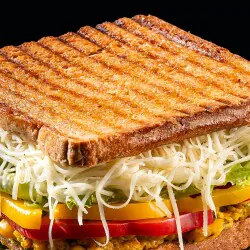
Millet Sandwich at Mitamins Health cafe at Vanasthalipuram

A millet sandwich is a wholesome, modern twist on the classic sandwich that swaps out refined white bread for nutrient-dense millet-based bread or flatbreads. Made with flour from ancient grains like foxtail, pearl, finger (ragi), or little millet, it brings a mildly nutty, slightly sweet flavor and a satisfying texture—soft yet hearty, with a gentle crunch when toasted.

Imagine two golden slices of millet bread hugging your favorite fillings: fresh vegetables like cucumber, tomato, and lettuce, perhaps some grilled paneer or boiled eggs, a smear of mint chutney or hung curd, or even avocado and sprouts for a fusion touch. The result is not just delicious and filling but genuinely nourishing — a guilt-free meal that feels light yet keeps you energized for hours.

Why Choose a Millet Sandwich? Here Are the Key Advantages

  • Gluten-free and gut-friendly — Millets are naturally gluten-free, making the sandwich an excellent choice for anyone with gluten sensitivity or celiac concerns. The high dietary fiber (both soluble and insoluble) acts as a prebiotic, feeding beneficial gut bacteria, promoting smooth digestion, preventing constipation, and supporting overall gut health.
  • Steady energy without blood sugar spikes — Thanks to their low glycemic index, millets release energy slowly. A millet sandwich helps maintain stable blood sugar levels — a big advantage for people managing diabetes, insulin resistance, or anyone wanting to avoid the mid-morning crash that often follows refined-carb sandwiches.
  • Heart-protective nutrition — Regular millet consumption is linked to lower total cholesterol, reduced triglycerides, decreased “bad” LDL cholesterol, and higher “good” HDL levels. The fiber, antioxidants (like phenolic compounds), and minerals (magnesium, potassium) work together to support cardiovascular health and reduce inflammation.
  • Better satiety and weight management — The impressive fiber and decent protein content help you feel full longer, curb unnecessary snacking, and support healthy weight control. A millet-based sandwich is more satisfying than a regular one, often with fewer calories from refined ingredients.
  • Packed with essential nutrients — Millets deliver a bounty of B vitamins (like niacin), iron, calcium, magnesium, phosphorus, zinc, and antioxidants that protect cells, boost immunity, strengthen bones, and support skin and organ function. Replacing regular bread with millet upgrades your sandwich from basic to super-nutritious.
  • Versatile, sustainable, and tasty — Millet bread toasts beautifully, holds fillings well, and pairs wonderfully with both Indian-style (chutney, veggies, masala) and Western-style (hummus, grilled veggies, cheese) fillings. Plus, millets are eco-friendly — they require far less water and thrive in tough conditions compared to wheat or rice.

In short, a millet sandwich isn’t just food — it’s smart, mindful eating: flavorful comfort that quietly works in your favor for long-term health. Whether you’re looking for a better breakfast, a satisfying office lunch, or a post-workout refuel, this humble upgrade delivers taste, texture, and genuine nourishment in every bite.

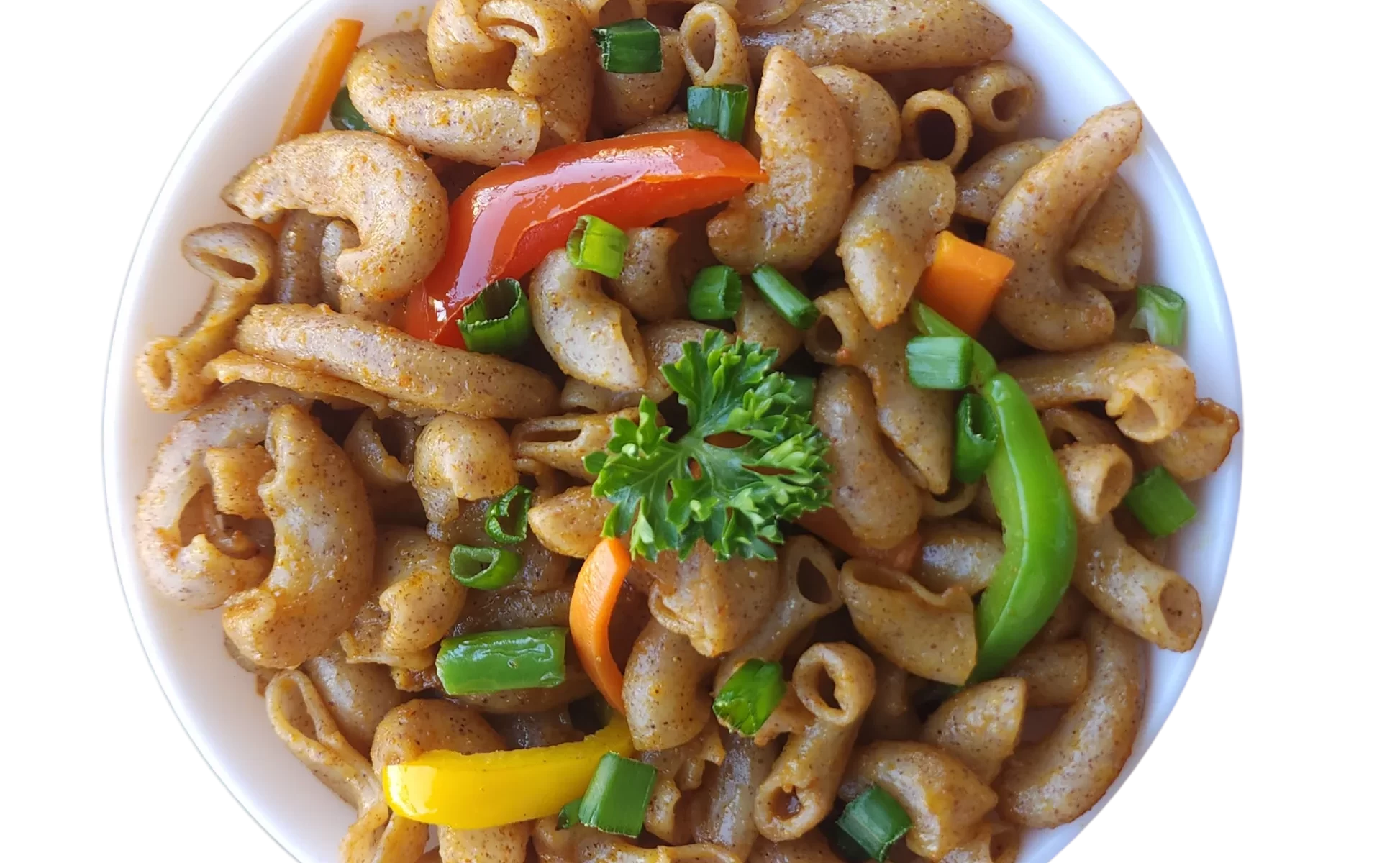
Millet Pasta at Mitamins Health Cafe at Vanasthalipuram

Millet pasta is a delicious, modern upgrade to the classic comfort food we all love — pasta — but with a powerful nutritional upgrade drawn from one of the world’s oldest and most resilient grains: millets.

Made from millets (often single varieties like ragi/finger millet, jowar/sorghum, little millet, foxtail millet, or multi-millet blends), this pasta brings the same satisfying texture and versatility as traditional wheat pasta while delivering significantly more health benefits. It cooks similarly (al dente in 8–12 minutes), holds sauces beautifully, and works in everything from classic macaroni cheese and spaghetti aglioe olio to Indian-inspired fusion dishes with curry leaves or millet upma-style toppings.

Why Choose Millet Pasta? Key Advantages

  1. Much Higher Dietary Fiber Regular refined wheat pasta is often low in fiber (around 2–3g per serving), while millet pasta typically offers 4–8g or more depending on the blend. This promotes healthy digestion, prevents constipation, supports a thriving gut microbiome, and helps you feel fuller longer — making it easier to manage portions and cravings.
  2. Lower Glycemic Index (GI) — Blood Sugar Friendly Millets naturally have a lower GI than refined wheat. This means slower, steadier release of energy, avoiding sharp blood sugar spikes and crashes. It’s especially helpful for people managing diabetes, insulin resistance, PCOS, or anyone wanting sustained energy without the post-meal slump.
  3. Rich in Essential Minerals & Nutrients Millet pasta is packed with:
    • Iron → fights anemia and boosts energy
    • Magnesium → supports muscle function, sleep, and stress reduction
    • Calcium & Phosphorus → good for bone health
    • Zinc → immunity and skin health
    • B vitamins → metabolism and nerve function These nutrients are often stripped away in refined wheat pasta.
  4. Gluten-Free by Nature Perfect for anyone with celiac disease, gluten sensitivity, or those simply reducing gluten. It opens up pasta night to more people without compromising taste or texture.
  5. Better for Heart Health The combination of high fiber, antioxidants, and zero cholesterol helps lower bad LDL cholesterol, reduces inflammation, and supports cardiovascular function over time.
  6. Weight Management Ally Higher fiber + higher satiety + lower calorie density in many brands means millet pasta can help with healthy weight goals without feeling like you’re on a “diet.” Many people report it keeps them satisfied longer than regular pasta.
  7. Antioxidant Boost & Anti-Inflammatory Edge Millets contain unique polyphenols and antioxidants that help fight oxidative stress — something refined pasta simply doesn’t offer.

In short, millet pasta lets you enjoy one of the world’s favorite comfort foods while quietly upgrading your nutrition: more fiber, better blood sugar control, richer minerals, gluten-free peace of mind, and heart-friendly benefits — all in a product that tastes surprisingly close to (and in some blends, even better than) regular pasta.

Whether you’re cooking for kids, managing lifestyle conditions, or just want everyday meals to be a little more nourishing, millet pasta is one of the smartest, tastiest swaps you can make in 2026. Give it a try — your taste buds and your body will thank you.

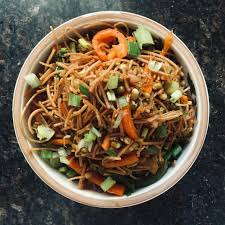
Millet Noodles at Mitamins Health Cafe at Vanasthalipuram

Millet noodles are a delicious and smart modern twist on the classic comfort food we all love — noodles — but made primarily from nutrient-dense millets (like foxtail, barnyard, kodo, little millet, ragi/finger millet, or multi-millet blends) instead of refined wheat (maida) or regular flour.

These wholesome noodles bring together great taste, quick cooking convenience (usually ready in 4–6 minutes), and impressive health advantages, making them an excellent choice for everyday meals, especially in busy households or for health-conscious eaters.

Key Advantages of Choosing Millet Noodles

  1. Much Higher Dietary Fiber Content Millet noodles are naturally rich in both soluble and insoluble fiber — often several times more than regular instant or wheat noodles. This promotes healthy digestion, prevents constipation, supports good gut bacteria (acting as a prebiotic), reduces bloating, and helps maintain a healthy digestive system overall.
  2. Low Glycemic Index (GI) — Blood Sugar Friendly Unlike refined-flour noodles that cause quick blood sugar spikes and crashes, millets have a naturally low to moderate GI. This makes millet noodles a much safer and more stable option for people managing diabetes, insulin resistance, or simply wanting sustained energy without the post-meal slump.
  3. Better Protein Quality and Quantity Millets provide more protein than refined grains (often 6–10g per serving or higher in some brands), including essential amino acids. This helps keep you fuller longer, controls hunger pangs, supports muscle repair, and makes them especially suitable for weight management, active lifestyles, or growing kids.
  4. Gluten-Free by Nature Most millet noodles are completely gluten-free, making them a safe and tasty alternative for people with gluten sensitivity, celiac disease, or those simply preferring to reduce gluten intake.
  5. Rich in Essential Minerals & Antioxidants Depending on the millet used (e.g., ragi for calcium, pearl millet for iron and magnesium), they deliver important nutrients like iron, calcium, magnesium, zinc, B vitamins (especially niacin), and antioxidants. These support stronger bones, better immunity, healthy skin, and overall vitality — nutrients often stripped away in regular processed noodles.
  6. Supports Weight Management & Heart Health The high fiber + protein combo helps you feel satisfied with smaller portions and reduces snacking urges. Many millet noodles are also lower in fat, cholesterol-free, and can help manage bad cholesterol levels when part of a balanced diet.
  7. Cleaner & More Natural Option Many popular millet noodle brands avoid maida, palm oil, artificial preservatives, excess salt, or MSG commonly found in conventional instant noodles — giving you a lighter, cleaner feel after eating.

In short, millet noodles let you enjoy the same comforting, slurpy noodle experience — whether in masala, hakka, or soup style — while upgrading your nutrition significantly. They’re especially popular in India right now, with good brands offering tasty, kid-friendly, and family-approved versions.

If you’re looking to make a small switch with a big health impact, millet noodles are one of the easiest and most enjoyable ways to bring ancient “super grains” into your modern kitchen!

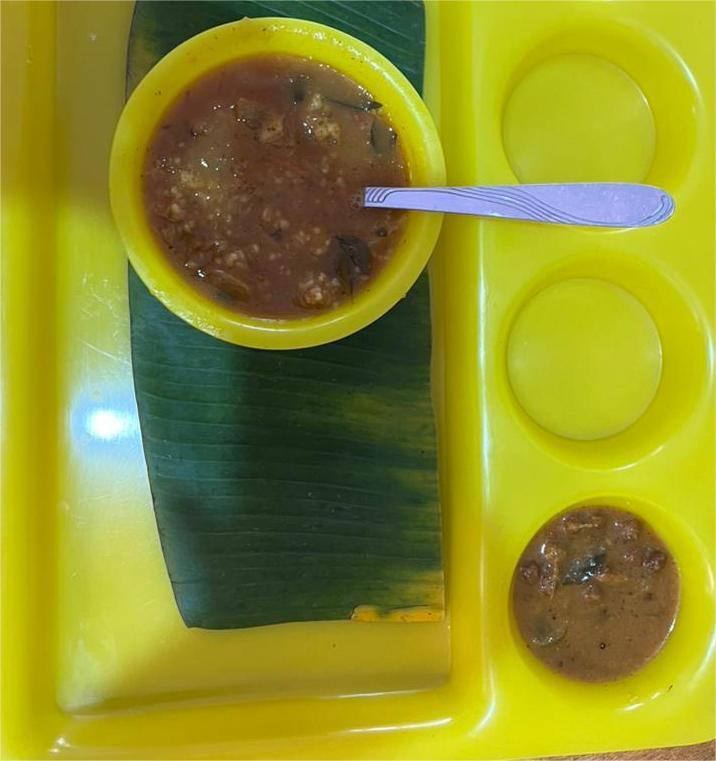
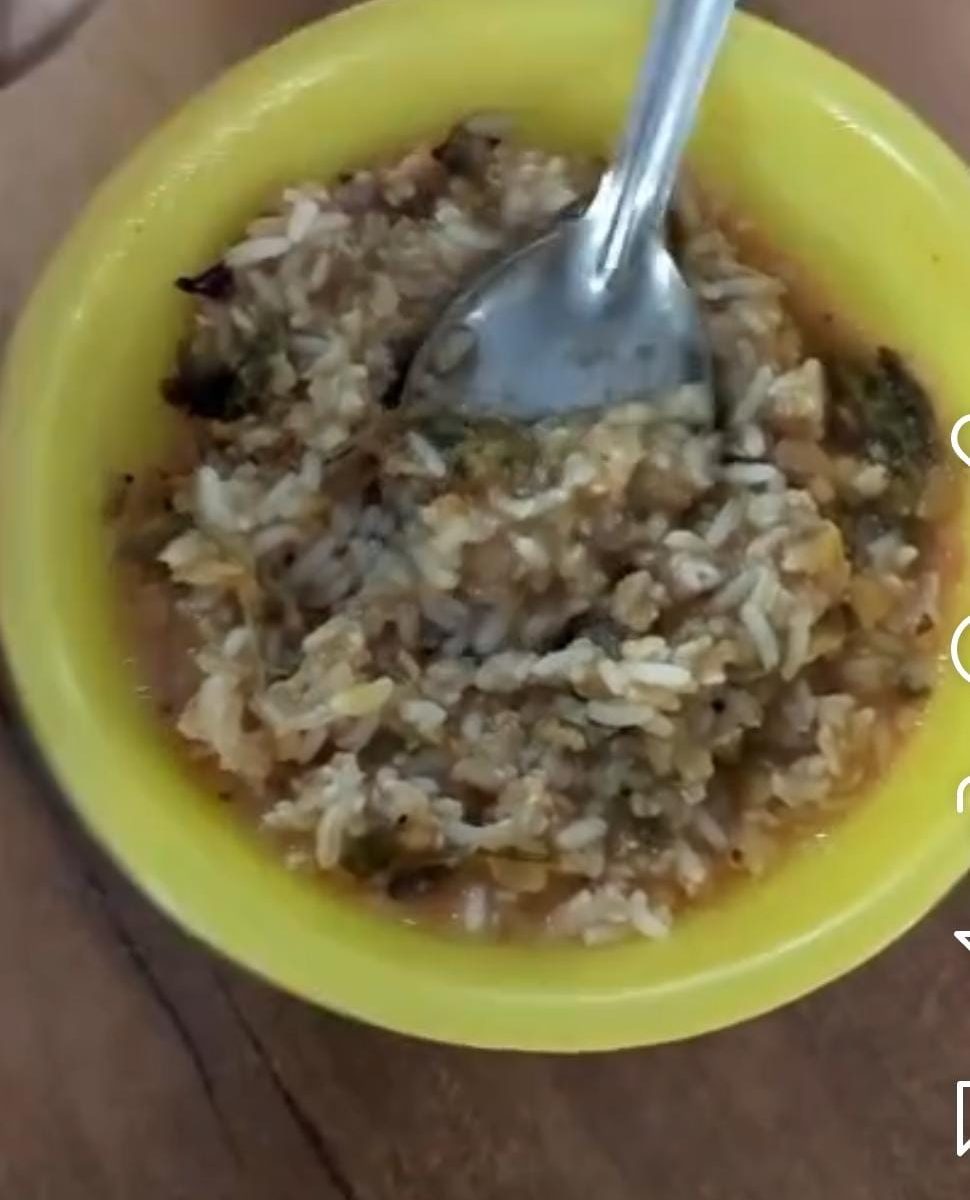
Bisibelebath at Mitamins Health Cafe at Vanasthalipuram

Beyond its irresistible flavor, Bisibelebath stands out as one of the most balanced, nutrient-dense traditional Indian meals you can enjoy regularly. Here’s why it’s worth savoring often:

  • Complete, balanced nutrition in one pot — It beautifully combines complex carbohydrates from rice (for steady, sustained energy), good-quality plant-based protein from toor dal (supports muscle repair and keeps you full longer), and dietary fiber from both lentils and vegetables (promotes healthy digestion and gut regularity).
  • Packed with vegetables — The variety of veggies brings in essential vitamins and minerals: vitamin A (from carrots for eye health and immunity), vitamin C (from beans and tomatoes for antioxidant protection), potassium (helps maintain healthy blood pressure), folate, and more. This makes it naturally rich in micronutrients that support overall wellness.
  • Supports digestion and gut health — The aromatic spices in the masala (like cinnamon, cloves, fenugreek/methi, and turmeric) have carminative properties that aid digestion, reduce bloating, and support a healthy gut. Tamarind adds a mild laxative effect, while the high fiber content helps keep things moving smoothly.
  • Anti-inflammatory and antioxidant benefits — Ingredients like turmeric (with curcumin) provide powerful anti-inflammatory and antioxidant effects, helping combat everyday oxidative stress and supporting immunity.
  • Filling and satisfying without being overly heavy — Thanks to the protein-fiber combo, it keeps hunger at bay for hours, making it excellent for portion control and as a wholesome meal option. A typical serving delivers sustained energy without sharp blood sugar spikes when prepared traditionally (especially if using brown rice or millets in modern healthier versions).
  • Customizable for even greater health — You can easily boost its benefits further by using brown rice, millets (like foxtail or barnyard), or extra veggies, turning it into an even more nutrient-powerhouse while keeping the soul-soothing taste intact.

In short, Bisibelebath isn’t just Karnataka’s pride—it’s a flavorful, comforting, and genuinely nourishing classic that proves home-cooked Indian food can be both incredibly tasty and smart for your body. Whether it’s a rainy afternoon in Hyderabad or any day you crave something warm and hearty, a bowl of hot Bisibelebath is always a great choice.

Pindaku Pappu at Mitamins Health cafe at Vanasthalipuram

Pindaku Pappu (also known as Konda Pindi Aaku Pappu or Kondapindi Aaku Pappu in Telugu) is a wholesome, traditional Andhra/Telangana-style dal preparation that combines nutritious lentils with the powerful medicinal leaves of mountain knotgrass (scientific name: Aerva lanata, commonly called Konda Pindi Aauk or mountain spinach in regional contexts).0

This humble yet extraordinary dish features toor dal (kandi pappu) or sometimes moong dal (pesara pappu), slow-cooked until soft and gently infused with the earthy, slightly bitter greens of Konda Pindi Aaku. Seasoned lightly with garlic, green chilies, turmeric, and a fragrant tadka (popu/tempering) of cumin seeds, mustard, curry leaves, and red chilies in ghee or oil, it delivers a comforting, soul-satisfying flavor — simple, rustic, and deeply rooted in Telugu home cooking.

What truly sets Pindaku Pappu apart is not just its deliciousness when paired with hot steamed rice and a dollop of ghee, but its remarkable health benefits, especially for urinary and kidney health.

Key Advantages of Including Pindaku Pappu in Your Diet

Powerful Ally Against Kidney Stones Konda Pindi Aaku is widely regarded in traditional medicine (including Ayurvedic practices) as one of the best natural remedies for preventing and even helping dissolve small kidney stones (up to ~0.8 mm in many anecdotal reports). Its diuretic properties help flush out excess minerals, uric acid, and oxalates from the urinary tract, reducing stone formation risk significantly.

Excellent Natural Diuretic & Kidney Cleanser Regular consumption supports healthy kidney function by promoting urine production, clearing toxins, and preventing sediment buildup — making it a go-to dish in many Telugu households for people prone to urinary issues, recurring stones, or general detoxification.

Rich in Essential Nutrients The leaves are packed with antioxidants, vitamins (A, C), minerals (iron, calcium, magnesium), and fiber. Combined with protein-rich dal, it becomes a complete, balanced vegetarian meal that supports overall immunity, blood health, and energy levels.

Supports Liver & Digestive Health The greens aid gentle liver detoxification, while the fiber from both leaves and dal promotes healthy digestion, prevents constipation, and maintains gut balance.

Low-Calorie, Heart-Friendly & Diabetes-Supportive Naturally low in fat and carbs (especially when prepared lightly), it fits beautifully into low-carb, weight-management, or diabetic-friendly diets. The absence of heavy spices or cream keeps it light yet flavorful.

Traditional Comfort with Modern Wellness In an era of processed foods, this age-old recipe brings back pure, farm-fresh nutrition — no additives, just nature’s goodness in every spoonful.

Whether you’re dealing with kidney concerns, simply want a nourishing comfort food, or love exploring authentic regional Telugu cuisine, Pindaku Pappu is a bowl of healing wisdom on your plate. Make it once, and it quickly becomes a staple — tasty enough to crave weekly, wise enough to eat regularly.

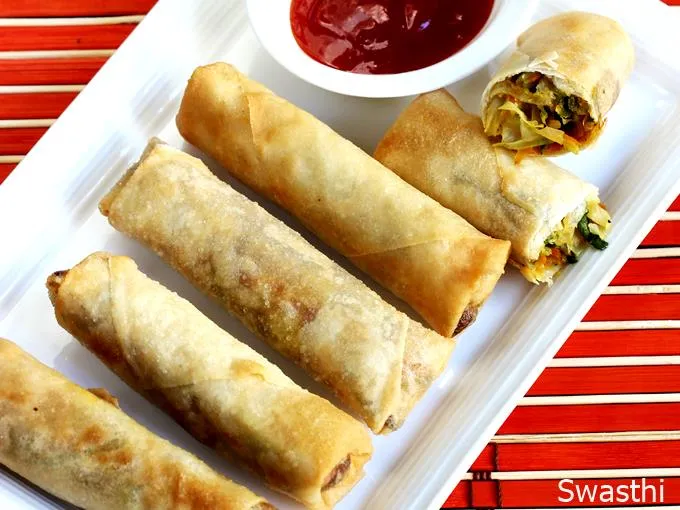
Veg Roll at Mitamins Health Cafe at Vanasthalipuram

Oats veg roll is a delicious, wholesome, and modern twist on a classic wrap or paratha-style roll — a perfect fusion of nutrition and convenience that fits beautifully into busy Indian lifestyles.

Imagine a soft, wholesome wrap made from oats flour (or a mix of oats and whole wheat), stuffed generously with a flavorful medley of sautéed vegetables like crunchy bell peppers, carrots, cabbage, onions, tomatoes, spinach, and maybe some spiced paneer or boiled chickpeas. Lightly seasoned with Indian masalas, a hint of green chutney or yogurt-based sauce, and rolled into a neat, portable package — it’s hearty yet light, savory, and incredibly satisfying.

What makes the oats veg roll truly special is how it transforms a simple breakfast or snack into a nutritional powerhouse.

Here are the key advantages of enjoying this wholesome roll regularly:

  • Super filling and great for weight management — Thanks to the high soluble fiber (especially beta-glucan) in oats, plus extra fiber from the colorful vegetables, it keeps you full for hours. This helps control cravings, prevents overeating, and supports healthy weight goals without feeling deprived.
  • Heart-friendly choice — Oats are famous for lowering bad cholesterol (LDL) levels and supporting cardiovascular health. Combined with antioxidant-rich veggies, this roll becomes a delicious way to take care of your heart on a daily basis.
  • Steady energy without sugar spikes — The complex carbs in oats release energy slowly, while the fiber and veggies help maintain stable blood sugar levels — making it an excellent option for sustained focus during work or study, and a smart choice for people managing diabetes or insulin sensitivity.
  • Packed with essential nutrients — You get plant-based protein from oats (and any added paneer/chickpeas), along with vitamins (like A, C, K from veggies), minerals (iron, magnesium, zinc), and gut-loving prebiotic fiber that nourishes beneficial bacteria for better digestion and immunity.
  • Gut health booster — The combination of soluble and insoluble fiber promotes healthy digestion, prevents constipation, and supports a balanced microbiome — leaving you feeling lighter and more energetic.
  • Customizable and family-friendly — Whether you prefer it spicy with schezwan sauce, mild with hung curd, or loaded with extra greens, it’s easy to adapt to taste preferences and dietary needs (vegan, gluten-free if using pure oat flour, low-oil versions, etc.).

In short, the oats veg roll isn’t just tasty street-food style comfort — it’s smart, balanced eating disguised as a fun roll. Quick to prepare, portable for office tiffin’s or evening hunger pangs, and genuinely good for you — it’s one of those rare foods that checks the boxes for both flavor and genuine health benefits.

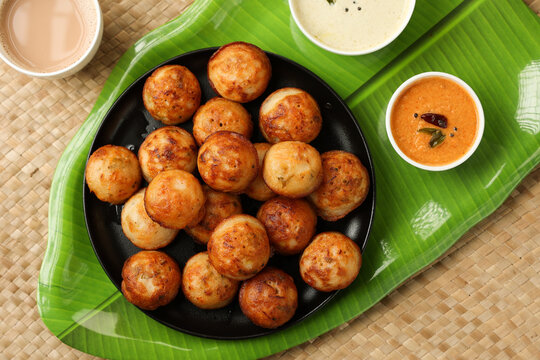
Gunta Ponganalu at Mitamins at Vanasthalipuram

Gunta Ponganalu (also known as Gunta Ponganalu, Kuzhi Paniyaram, or Paddu in different parts of South India) is one of the most loved traditional breakfasts and snacks from Andhra Pradesh and other southern regions. These are adorable, golden, crispy-on-the-outside, soft-on-the-inside little spherical dumplings made using fermented idli/dosa batter (a blend of rice and urad dal), cooked in a special gunta (pit/paniyaram) pan with just a few drops of oil.

What makes Gunta Ponganalu truly special is the perfect balance of taste, texture, and health benefits. The slight tang from natural fermentation, combined with optional additions like finely chopped onions, green chilies, ginger, curry leaves, coriander, and sometimes grated carrots or jeera, turns them into an irresistible, flavorful treat. Served hot with coconut chutney, tomato chutney, peanut chutney, or even sambar, they make mornings brighter and evenings more satisfying.

Why Gunta Ponganalu is a Smart and Healthy Choice

Here are some of the key advantages of including Gunta Ponganalu in your regular meals:

  • Low in oil and guilt-free — Unlike deep-fried snacks (vadas or bajjis), these are shallow-pan-cooked with minimal oil, giving you that satisfying crunch without the heavy calories or excess fat. Zero cholesterol and very low saturated fat make them heart-friendly.
  • Supports blood sugar control — The fermented batter has a relatively low glycemic index (around 50–55 in most versions), making it diabetes-friendly. Fermentation also helps break down starches, leading to slower energy release and better glucose management.
  • Gut-friendly and digestion-boosting — The natural lactic acid fermentation (same process as idli/dosa) produces probiotics that promote healthy gut bacteria, improve nutrient absorption, reduce bloating, and support overall digestive health.
  • Good source of plant-based protein — Thanks to urad dal (black gram), each serving provides decent protein to help with satiety, muscle repair, and staying full longer — perfect for breakfast or as an evening snack to curb unhealthy cravings.
  • Rich in fiber — The combination of rice, dal, and any added vegetables delivers good dietary fiber, aiding weight management, keeping you fuller, supporting regular bowel movements, and contributing to heart health.
  • Nutrient-packed — Provides essential minerals like iron, magnesium, potassium, calcium, and folic acid (especially from the dal), which support energy levels, bone health, blood pressure regulation, and overall wellness. Versions made with millets (like little millet or jowar) become even more nutrient-dense with extra fiber, antioxidants, and lower carbs.
  • Versatile and customizable — You can make them healthier by adding grated veggies, millets, oats, or ragi to the batter, turning them into a powerhouse meal while still tasting amazing.

In short, Gunta Ponganalu isn’t just delicious comfort food — it’s a smart, traditional choice that brings together great taste, minimal preparation effort (especially with leftover batter), cultural charm, and solid nutritional advantages. Whether you’re looking for a light breakfast, a kid-friendly tiffin option, or a low-oil evening snack, these little golden balls deliver satisfaction without compromise. Once you start making them at home, they quickly become a family favorite.