
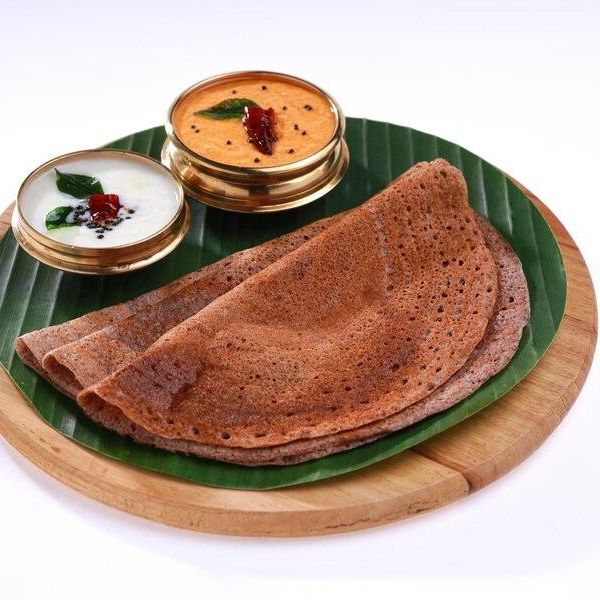
Ragi dosa (also known as finger millet dosa or nachni dosa) is a nutritious, South Indian-style crepe made primarily from ragi flour (finger millet flour). It’s a healthier twist on the traditional rice-based dosa, often prepared by mixing ragi flour with a bit of rice flour, urad dal, or semolina, and sometimes fermented for better texture and digestibility. The result is a slightly darker, earthy-flavored, crispy or soft pancake that’s commonly served with coconut chutney, sambar, or potato masala.
Here are some images of ragi dosa to give you a visual idea:
Key Advantages and Health Benefits of Ragi Dosa
Ragi (finger millet) is considered a superfood millet, especially in India, due to its impressive nutritional profile. When made into dosa, it offers these main advantages:
- Rich in Calcium — Ragi has one of the highest calcium contents among grains (often 5–30 times more than rice or other cereals). This makes ragi dosa excellent for bone health, strengthening teeth, and preventing osteoporosis, especially useful for growing kids, pregnant women, and older adults.
- High in Iron — It helps combat anemia and boosts hemoglobin levels, making it a great natural choice for those with iron deficiency (particularly vegetarians).
- Excellent Source of Dietary Fiber — The high fiber content promotes better digestion, prevents constipation, supports gut health, and helps you feel full longer.
- Supports Weight Loss — Thanks to the fiber and complex carbs, ragi dosa has a low glycemic index, which prevents sudden blood sugar spikes. It keeps you satiated, reduces cravings, and makes it a smart option for weight management.
- Diabetes-Friendly — The low GI and fiber help in better blood sugar control, making ragi dosa a popular breakfast choice for people with diabetes or those at risk.
- Gluten-Free — Naturally gluten-free, it’s a safe and tasty alternative for people with gluten intolerance or celiac disease.
- Good Protein and Minerals — Provides decent protein, along with magnesium, potassium, zinc, and B vitamins, supporting energy, muscle health, and overall immunity.
- Antioxidant & Anti-Aging Properties — Contains amino acids and polyphenols that help fight oxidative stress and support skin/hair health.
Compared to regular rice dosa, ragi dosa is more nutrient-dense, has better satiety, and a nuttier taste. It’s versatile too — you can make instant versions (no fermentation needed) or traditional fermented ones for a probiotic boost.
If you’re in Hyderabad, many local eateries and tiffin centers serve ragi dosa as a healthy breakfast option. Try making it at home for maximum benefits! It’s simple, affordable, and one of the best ways to include millets in your daily diet.