

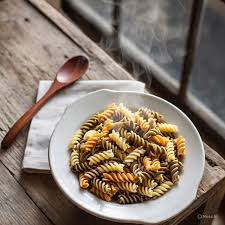
Millet pasta is a nutritious alternative to traditional wheat-based pasta. It is made primarily from millet flours (such as foxtail, finger/ragi, barnyard, little, kodo, pearl, or jowar/bajra) or blends of multiple millets, sometimes mixed with a small amount of durum wheat semolina for better texture and binding.
Millets are ancient, drought-resistant grains often called “nutricereals” due to their dense nutrient profile. The pasta comes in familiar shapes like penne, macaroni, spaghetti, fusilli, or spirals, and it cooks similarly to regular pasta—boiled in salted water until al dente (typically 8–12 minutes, depending on the brand and blend).
Key Nutritional Profile (Approximate per 100g dry millet/multi-millet pasta)
Values can vary by brand and millet mix, but typical ranges include:
- Calories: 300–370 kcal
- Carbohydrates: 65–75g (mostly complex)
- Protein: 9–13g (higher or comparable to wheat pasta, with better essential amino acid balance in some millets)
- Dietary Fiber: 7–11g+ (significantly higher than refined wheat pasta)
- Fat: 0.5–3g (low, mostly unsaturated)
- Key micronutrients: Rich in iron (up to 5–17mg/100g in some millets), calcium (especially high in finger millet/ragi, ~300mg/100g), magnesium, zinc, phosphorus, B vitamins (thiamine, niacin, riboflavin), and antioxidants like phenolics and flavonoids.
It is naturally gluten-free when made from 100% millet flours, making it suitable for people with celiac disease or gluten sensitivity.
Advantages of Millet Pasta
Here are the main benefits compared to regular refined wheat (maida) pasta or even standard durum wheat pasta:
- Higher Fiber Content for Better Digestion The elevated dietary fiber promotes gut health, prevents constipation, and supports regular bowel movements. It also helps you feel fuller longer, aiding portion control.
- Low Glycemic Index (GI) for Steady Energy and Blood Sugar Control Millets release energy more slowly than refined grains, reducing blood sugar spikes. This makes millet pasta especially helpful for people managing diabetes, insulin resistance, or those seeking sustained energy (great for kids and active adults).
- Rich in Essential Minerals and Antioxidants It provides higher levels of iron (for combating anemia), calcium (for bone health), magnesium (for metabolism and muscle function), and zinc (for immunity). Antioxidants in millets help fight oxidative stress and may support overall immunity and reduce inflammation.
- Gluten-Free and Suitable for Special Diets Pure millet pasta is a safe, tasty option for gluten-intolerant individuals. It fits well into vegetarian, vegan, and clean-eating lifestyles.
- Weight Management Support Lower calorie density in some formulations, combined with high fiber and protein, promotes satiety without heavy processing. It digests more slowly, helping control hunger and cravings.
- Better Protein Quality and Overall Nutrient Density Millets often offer more essential amino acids and micronutrients than refined wheat. Some blends provide a good protein boost while remaining low in fat and sugar.
- Eco-Friendly and Sustainable Millets require less water and are resilient to climate challenges, making them a more environmentally friendly crop choice than wheat in many regions.
How It Compares to Regular Pasta
- Refined wheat pasta (maida): Lower in fiber, minerals, and protein; higher GI; more processed.
- Whole wheat or durum semolina pasta: Better than refined but still contains gluten and generally has less fiber/minerals than millet versions.
- Millet pasta: Superior in fiber, certain minerals (iron, calcium), and GI profile; often more nutrient-dense overall. Texture can be slightly firmer or nuttier, and it pairs well with Indian or fusion sauces (tomato, pesto, creamy cashew, or veggie stir-fries).
Tips for Enjoying Millet Pasta
- Start with multi-millet blends if you’re new to it—they often have a milder taste and better cooking performance.
- It works great in classic Italian dishes or Indian-style preparations (with spices, vegetables, or lentils).
- Brands in India and globally offer options like ragi, foxtail, or multi-millet penne/macaroni—many are available online or in health stores.
- Cook it al dente and rinse briefly if needed to prevent sticking, as some pure millet versions can be more delicate.
Overall, millet pasta is an excellent way to add more whole-food nutrition to a comfort food favorite without sacrificing taste or convenience. It’s particularly popular in health-conscious households in India and among those looking for sustainable, gluten-free alternatives. If you have specific dietary needs (e.g., diabetes-friendly or high-protein), check labels for exact millet composition.