

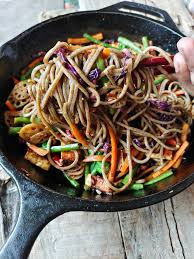
Millet noodles are a nutritious, modern twist on traditional instant or hakka-style noodles. They are made primarily from millet flours (such as foxtail millet/thinai, ragi/finger millet, jowar/sorghum, little millet, kodo millet, or barnyard millet), often blended with some whole wheat flour or natural binders like cluster bean gum for better texture. Unlike regular noodles made from refined wheat flour (maida), millet noodles are typically free from heavy processing, artificial preservatives, and maida, giving them a slightly nuttier flavor and firmer, chewier texture.
They cook quickly (similar to regular noodles) and work well in stir-fries, soups, salads, or as a base for Indo-Chinese dishes like hakka noodles or vegetable upma-style preparations. In India, they’ve gained huge popularity—especially after the 2023 International Year of Millets—with brands like Slurrp Farm, Naturally Yours, Millet Amma, and others offering ready-to-cook packs with spice mixes
Key Advantages of Millet Noodles
Here are the main benefits compared to conventional maida-based or refined wheat noodles:
- High in Dietary Fiber: Millets are naturally rich in fiber, which promotes better digestion, prevents constipation, supports gut health, and helps you feel full longer. This reduces overeating and bloating.
- Rich in Protein and Essential Nutrients: They provide more plant-based protein than regular noodles, along with vitamins (B vitamins like niacin and folate), minerals (iron, calcium, magnesium, phosphorus, zinc), and antioxidants. This supports muscle health, energy levels, bone strength, and overall nutrition—great for kids, active people, and weight management.
- Low Glycemic Index (GI): Millets release energy slowly, helping stabilize blood sugar levels and avoiding the energy crashes or spikes common with refined carbs. This makes them a safer, more suitable option for people managing diabetes or insulin sensitivity.
- Gluten-Free Options Available: Pure millet noodles (or those without wheat) are naturally gluten-free, making them ideal for people with celiac disease, gluten sensitivity, or those seeking wheat-free alternatives.
- Supports Weight Loss and Heart Health: Higher fiber and protein content aids satiety and portion control. They’re generally low in fat, cholesterol-free, and may help lower bad cholesterol while providing sustained energy without guilt.
- No Maida, Cleaner Eating: Free from refined flour means no empty calories or rapid blood sugar spikes. They’re a more wholesome, nutrient-dense swap that retains the bran and germ of the grains.
- Family-Friendly and Versatile: Easy for busy meals, appealing to kids with familiar textures, and a good way to introduce “super grains” into diets. They also align with sustainable farming, as millets are climate-resilient crops.
Overall, millet noodles deliver similar convenience to regular ones but with far superior nutrition—more fiber, protein, and micronutrients, plus a lower glycemic load for steady energy. They’re especially popular in India for healthier snacking or meals.
If you’re trying them, start with foxtail or multi-millet varieties for a mild taste. Pair with plenty of veggies, lean protein, and spices for a balanced dish. Have you tried any specific brands or recipes yet?